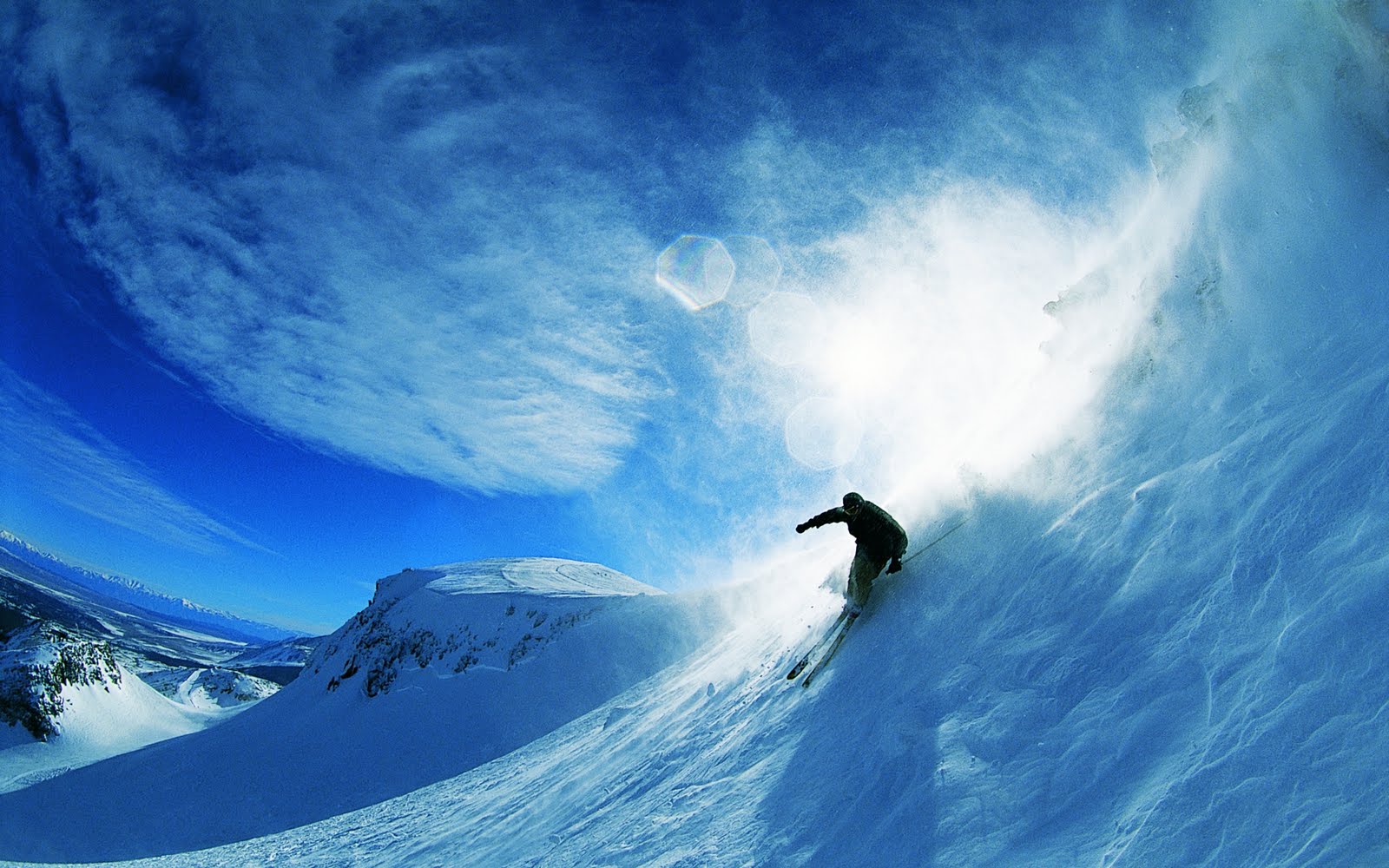
Randy Orton on fire

Randy Orton Wallpapers
 Extreme mountain biking
 Adventure games
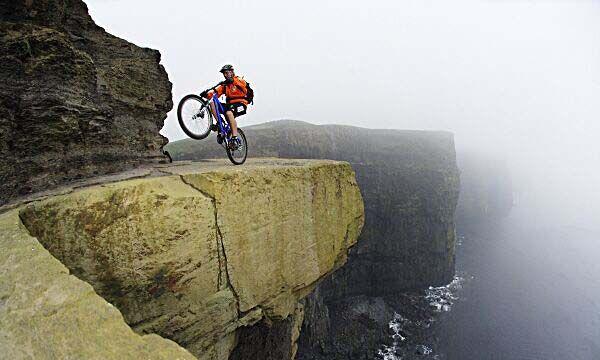 Dangerous sports
 Racing bicycles
 Mountain biking
Mountain biking entails the sport of riding bicycles off-road, often over rough terrain, whether riding specially equipped mountain bikes or hybrid road bikes. Most mountain bikes share similar characteristics that underscore durability and performance in rough terrain: wide, knobby tires, large frame tubing, front fork or dual suspension shock absorbers. The durability factor means a far heavier bicycle weight to rider ratio than their road touring cousins.
Mountain biking is broken down into four categories: cross country, downhill, free ride, and trials/street riding. Each has differing levels of safety-consciousness with different types of mountain bikes and riding gear. A combination sport named mountain bike orienteering adds the skill of map navigation to mountain biking.
This individual sport requires endurance, bike handling skills and self-reliance, and can be performed almost anywhere from a back yard to a gravel road, but the majority of mountain bikers ride off-road trails, whether country back roads, fire roads, or single track (narrow trails that wind through forests, mountains, deserts, or fields). There are aspects of mountain biking that are more similar to trail running than regular bicycling. Because riders are often far from civilization, there is a strong ethic of self-reliance in the sport. Riders learn to repair their broken bikes or flat tires to avoid being stranded miles from help. This reliance on survival skills accounts for the group dynamics of the sport. Club rides and other forms of group rides are common, especially on longer treks.

Mountain biking entails the sport of riding bicycles off-road, often over rough terrain, whether riding specially equipped mountain bikes or hybrid road bikes. Most mountain bikes share similar characteristics that underscore durability and performance in rough terrain: wide, knobby tires, large frame tubing, front fork or dual suspension shock absorbers. The durability factor means a far heavier bicycle weight to rider ratio than their road touring cousins.
Mountain biking is broken down into four categories: cross country, downhill, free ride, and trials/street riding. Each has differing levels of safety-consciousness with different types of mountain bikes and riding gear. A combination sport named mountain bike orienteering adds the skill of map navigation to mountain biking.
This individual sport requires endurance, bike handling skills and self-reliance, and can be performed almost anywhere from a back yard to a gravel road, but the majority of mountain bikers ride off-road trails, whether country back roads, fire roads, or single track (narrow trails that wind through forests, mountains, deserts, or fields). There are aspects of mountain biking that are more similar to trail running than regular bicycling. Because riders are often far from civilization, there is a strong ethic of self-reliance in the sport. Riders learn to repair their broken bikes or flat tires to avoid being stranded miles from help. This reliance on survival skills accounts for the group dynamics of the sport. Club rides and other forms of group rides are common, especially on longer treks.
 Out door rock climbing
 learn Rock climbing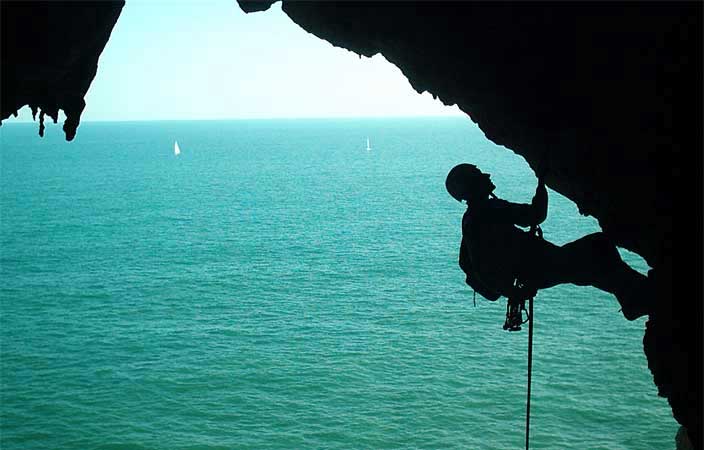

 |
 |
 |
 |
 |
 |
 |
 |
 |
 |
 |
 |
 |
 |
 |